
Image credit: Photo by hallie heeg on Unsplash
Scuba diving opens the door to an entirely different world—one shaped by silence, weightlessness, and incredible marine life. Whether you’re just starting or looking to improve your skills, this hub connects you to everything you need—from your first dive to advanced experiences.
Table of Contents
Your Path as a Scuba Diver
Scuba diving isn’t just a one-time experience—it’s a journey. Each step builds your confidence, skills, and the types of dives you can safely enjoy.
Start Diving
Take your first breath underwater and learn the fundamentals of safe diving.
Advance Your Skills
COMMING SOON – Go beyond the basics and become more confident in different conditions.
Specialties
COMMING SOON – Discover what excites you—deep diving, wrecks, marine life, and more.
Explore Dive Destinations & Sites
Where you dive shapes your entire experience—from calm beginner reefs to more advanced environments.
Dive Guides
Plan your trips with detailed regional guides covering conditions, marine life, and the best time to dive.
Dive Sites
Explore individual dive locations with detailed breakdowns of conditions, depth, and marine life.
Learn & Improve Your Diving
Build your confidence, improve your skills, and dive safer with practical guides and real-world advice.
Diving Tips & Skills
Improve buoyancy, air consumption, and overall control underwater.
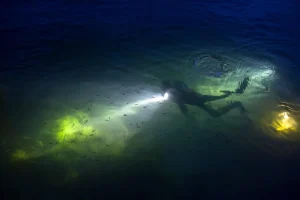
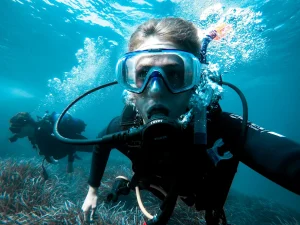
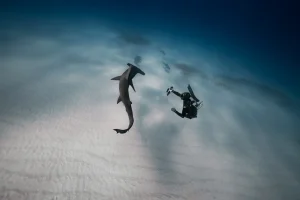
Start with a Proven Diving Destination
If you’re unsure where to begin, choosing the right destination can make your first diving experience much easier and more enjoyable.
Red Sea - Egypt
Warm water, excellent visibility, and a wide range of dive sites make it one of the best places in the world to start scuba diving.
Start Your Scuba Journey
If you’re unsure where to begin, choosing the right destination can make your first diving experience much easier and more enjoyable.
Beginner's Guide to scuba diving
Discover Marine Life & Ocean Ecosystems
Scuba diving is not just about where you go—it’s about what you discover beneath the surface.
Every dive brings you closer to a world shaped by complex ecosystems and incredible marine life, from vibrant coral reefs to the species that depend on them.
Understanding this underwater world doesn’t just make your dives more exciting—it helps you become a more aware and responsible diver.
Coral Reefs
Discover vibrant underwater ecosystems full of life and learn why coral reefs are essential to the health of our oceans.
Mangroves
Explore the hidden coastal forests that protect shorelines and support marine life from its earliest stages.
Seagrass
Uncover one of the ocean’s most important habitats, where marine species thrive and carbon is stored beneath the surface.
FAQ
Is scuba diving safe for beginners?
Yes, scuba diving is safe for beginners when done with proper training and a certified instructor. Entry-level courses are designed for people with no experience and focus on safety, control, and confidence in the water.
How long does it take to get scuba diving certified?
Most beginner certifications take between 3 to 4 days to complete. This includes theory, pool training, and open water dives, although some courses can be done at a slower pace.
Do I need to be a strong swimmer to scuba dive?
You don’t need to be a strong swimmer, but you should feel comfortable in the water. Basic swimming ability and the ability to float are usually required for certification.
What is the best place to start scuba diving?
Locations with calm water, good visibility, and experienced dive centers offer the best learning conditions.
Do I need to buy my own diving gear?
No. Beginners usually rent equipment, but owning personal items like a mask or dive computer can improve comfort and safety.
What comes after the beginner course?
Most divers continue with advanced training, specialties, or simply gain experience through regular diving.