A link between ocean and land
Mangroves
What is the name of the tree that provides coastal protection, stores carbon dioxide, filters water, creates biodiversity hotspots, and serves as nursery grounds for numerous species? This remarkable plant is called the Mangrove.
What is Mangrove
Mangroves are unique coastal ecosystems found in tropical and subtropical regions, characterized by salt-tolerant trees, shrubs, and other vegetation that thrive in intertidal zones. These resilient ecosystems serve as a crucial interface between land and sea, providing a habitat for a diverse array of marine and terrestrial species.
Mangrove forests typically grow in estuaries, where freshwater from rivers meets the saline water of the ocean, creating a crucial interface between land and sea, a dynamic environment that supports rich biodiversity. Mangroves are exceptional at absorbing and storing carbon dioxide (CO2) from the atmosphere, a process known as carbon sequestration.
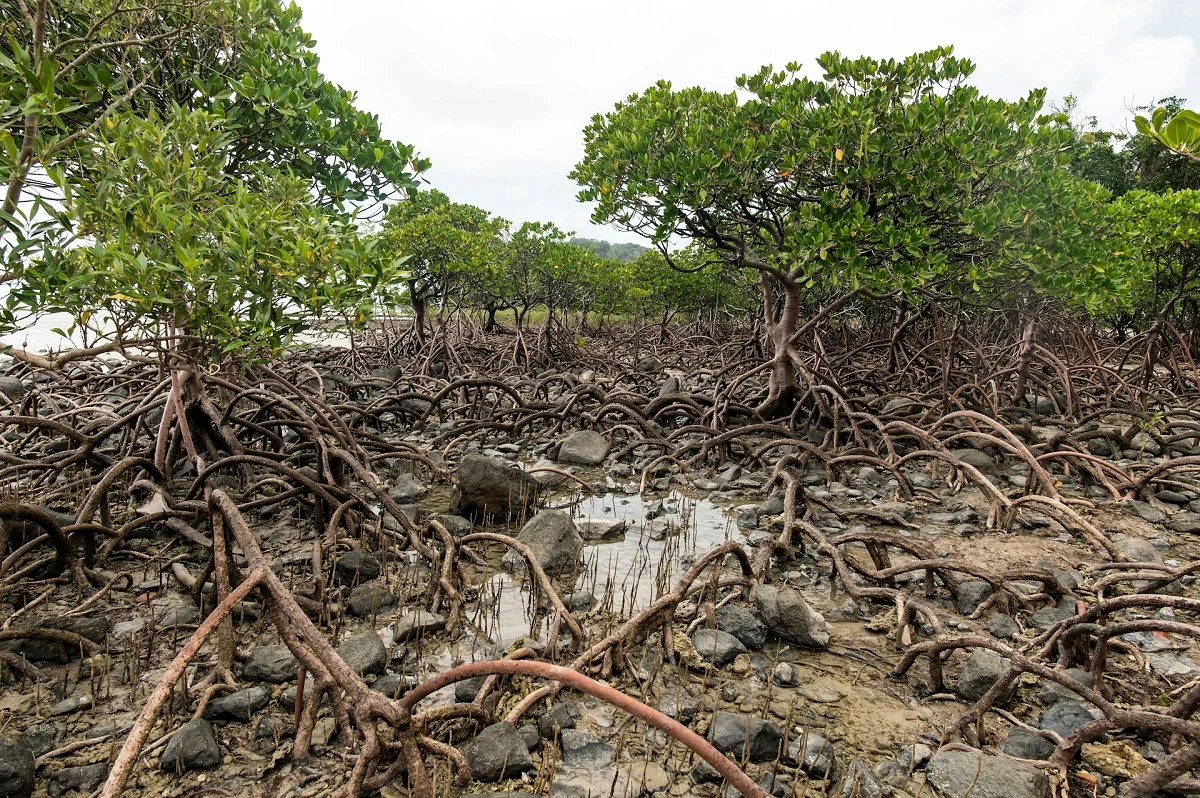
Image credit: Photo by David Clode on Unsplash
Their ability to capture significant amounts of CO2 helps combat climate change by reducing the overall concentration of greenhouse gases in the atmosphere. Mangroves store this carbon in their biomass and in the soil, making them one of the most efficient natural tools against global warming. Mangroves provide a safe haven for the juvenile stages of many marine species, including fish, crabs, and shrimp. The roots offer protection from predators and a rich source of food, making these areas crucial nursery grounds.The dense root systems of mangrove trees also help in protecting coastlines from erosion and storm damage. They absorb the impact of waves and reduce the speed of water flow, which can lessen the effects of storm surges and tsunamis.
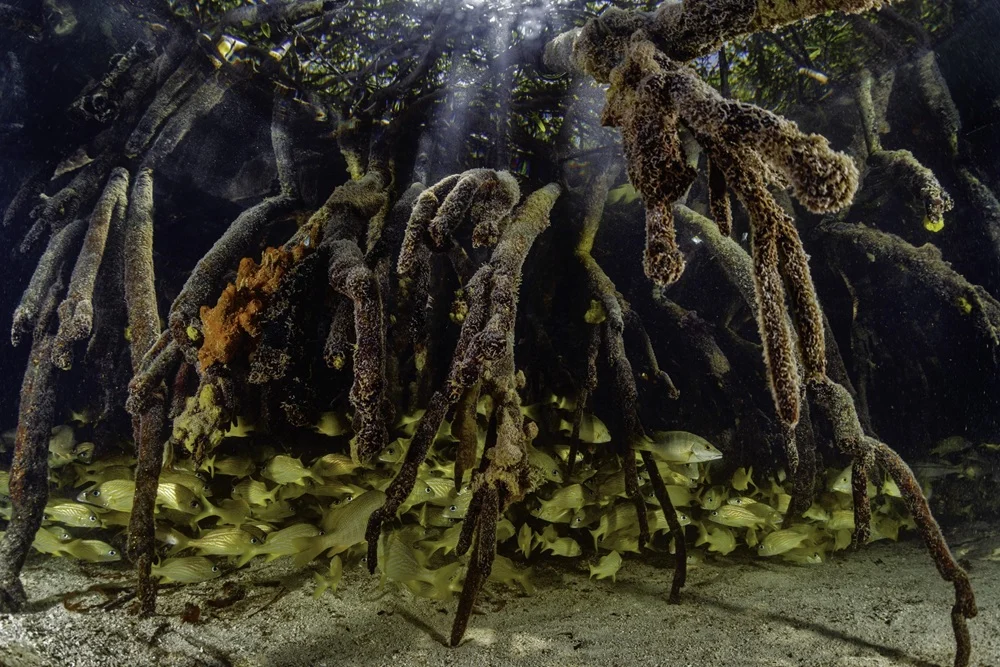
Image credit: Lorenzo Mittinga - Ocean Image Library
Nature’s engineering marvel
Mangroves act as natural filters, capturing pollutants, excess nutrients, and sediments from water before they reach the ocean. Their complex root systems trap these substances, preventing them from causing harm to coral reefs and seagrass beds. This filtration process maintains cleaner, healthier marine environments. The filtration process in mangroves is a complex, natural system that helps maintain water quality and supports a rich biodiversity. In its complexity, it consists of multiple types of filtration.
Physical filtration
As water moves through a mangrove forest, the dense network of roots acts as a physical barrier, trapping particulate matter, sediment, and debris. This physical filtration is crucial for preventing these materials from reaching open water, where they could cloud the water, smother coral reefs, and disrupt marine habitats.
Biological filtration
Mangrove roots are not only physical barriers but also support a rich community of microorganisms, including bacteria and fungi, which play a role in breaking down pollutants. These microorganisms can metabolize or transform various organic compounds and nutrients in the water, such as nitrogen and phosphorus, effectively reducing pollution levels. This biological process helps in maintaining the balance of nutrients in the ecosystem, preventing algal blooms that could harm marine life.
Chemical filtration
Mangrove roots and the surrounding soil also engage in chemical interactions that help in filtering out contaminants. For example, the roots can absorb heavy metals and other toxic substances from the water, incorporating them into their biomass or immobilizing them in the sediment. This natural mechanism of detoxification helps in preventing the accumulation of harmful substances in the marine environment.
Sediment stabilization
The complex root systems of mangroves stabilize sediments, reducing erosion and preventing the resuspension of sediments back into the water column. This stabilization is crucial for maintaining clear water pathways and for the deposition of sediments, which can enrich the soil and support the growth of mangrove and other aquatic plants.
Some mangroves literally sweat salt!
Certain mangrove species have specialised glands in their leaves that remove excess salt absorbed from seawater. As the water evaporates, tiny salt crystals can remain visible on the leaf surface.
It’s a team work
The complex root systems of mangroves stabilize sediments, reducing erosion and preventing the resuspension of sediments back into the water column. This stabilization is crucial for maintaining clear water pathways and for the deposition of sediments, which can enrich the soil and support the growth of mangrove and other aquatic plants.
Coral Reefs
Coral reefs are living underwater ecosystems that support extraordinary marine biodiversity, shape the world’s most spectacular dive sites, and stand at the center of today’s ocean conservation challenges.
Dive inAs mentioned, mangroves filter out sediments and pollutants from runoff water before it reaches coral reefs. Clear water allows more sunlight to penetrate, which is vital for the photosynthesis that corals depend on to build their calcium carbonate structures. By improving water quality, mangroves thus play a crucial role in sustaining healthy coral reefs.The organic material (like fallen leaves and branches) from mangroves decomposes and releases nutrients into the water. These nutrients can be transported to nearby coral reefs, providing an important source of food for the myriad of organisms living in the reef ecosystem. However, it's important that this nutrient flow is balanced; too much can be harmful, leading to algal blooms that suffocate corals. Mangroves help maintain this balance naturally.
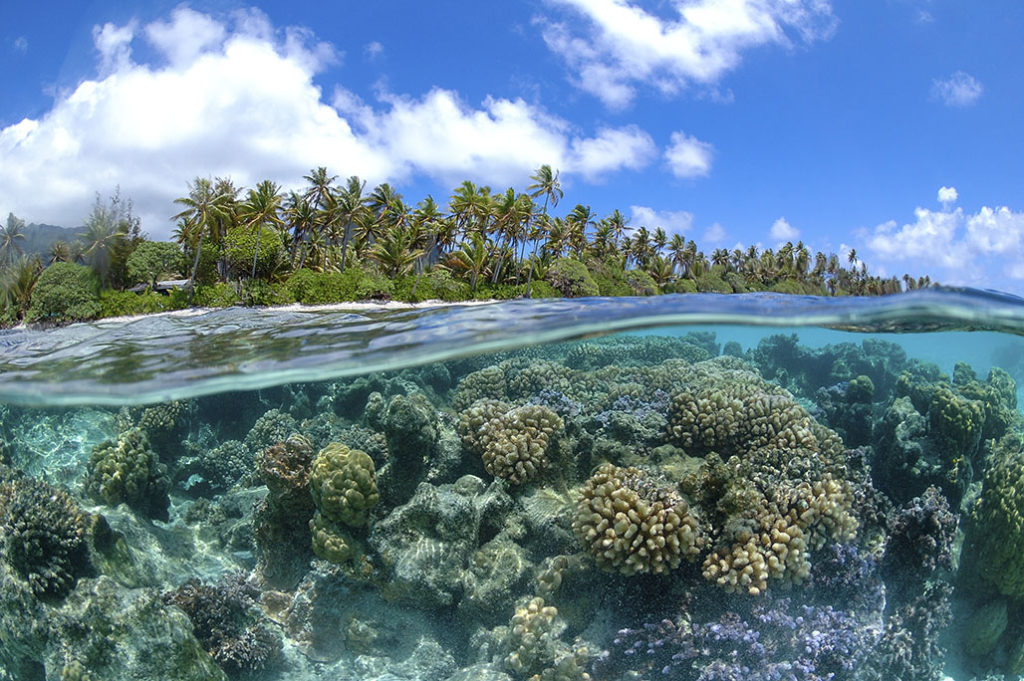
Image credit: Coral Reef Foundation
The areas where mangrove forests and coral reefs coexist often create a gradient of habitats from the land out to the sea. This variety of habitats supports a rich biodiversity, allowing species to migrate, feed, and breed across different stages of their life cycles. For instance, many fish species may spawn in coral reefs, with their larvae finding shelter and nourishment in mangrove waters before returning to the reefs as adults. This connectivity enhances the resilience and productivity of both ecosystems.Mangroves and coral reefs work together to protect coastlines from the full force of waves, storms, and erosion. Coral reefs break the power of waves far offshore, reducing the energy hitting the mangroves and, subsequently, the shore. This combined protection is crucial for the stability of coastlines and the safety of communities living near them.
Both ecosystems serve as vital buffers against the impacts of climate change. By sequestering carbon, they help mitigate global warming, while their physical structures offer defense against rising sea levels and increased storm intensity. This dual role makes the conservation of mangroves and coral reefs even more important as the climate crisis intensifies.
Where are we now
Mangrove forests cover (year 2023) an estimated area of around 137,000 square kilometers (about 53,000 square miles) globally. This area represents only a fraction of the estimated coverage from 50 years ago. Over the past half-century, mangroves have experienced a significant decline, with estimates suggesting that approximately 20% to 35% of mangrove area has been lost since the 1980s. This decline rate, however, can vary widely depending on the region and the timeframe considered.
One of the leading causes of mangrove loss is their clearance, deforestation for aquaculture and agriculture, for shrimp farms, fish ponds, and agricultural land. This practice is particularly prevalent in countries with rapidly developing economies and growing populations. The expansion of urban areas and infrastructure development along coastlines often leads to the destruction of mangrove forests. Developments such as the construction of hotels, homes, and industry, as well as port expansion, can significantly reduce mangrove areas.
Mangroves are sensitive to pollution from agricultural runoff, sewage, and industrial waste. Excessive nutrients from fertilizers can lead to eutrophication, while toxic substances can kill mangrove trees and the life that depends on them. Rising sea levels, increasing temperatures, and changing precipitation patterns can adversely affect mangrove ecosystems. Sea-level rise, in particular, can drown mangroves if the rate exceeds the capacity of soil buildup to keep pace.
Mangroves are often harvested unsustainably for timber, fuel, and other resources. Overharvesting can lead to degradation of the ecosystem and loss of mangrove area. The construction of dams and diversion of water bodies can alter the natural flow of sediments and freshwater to mangrove areas, which can affect their health and sustainability. Reduced sediment flow can lead to subsidence and increased salinity that may not support mangrove life.Efforts to reverse the decline of mangroves include reforestation projects, improved management practices, legal protections, and the involvement of local communities in conservation efforts.
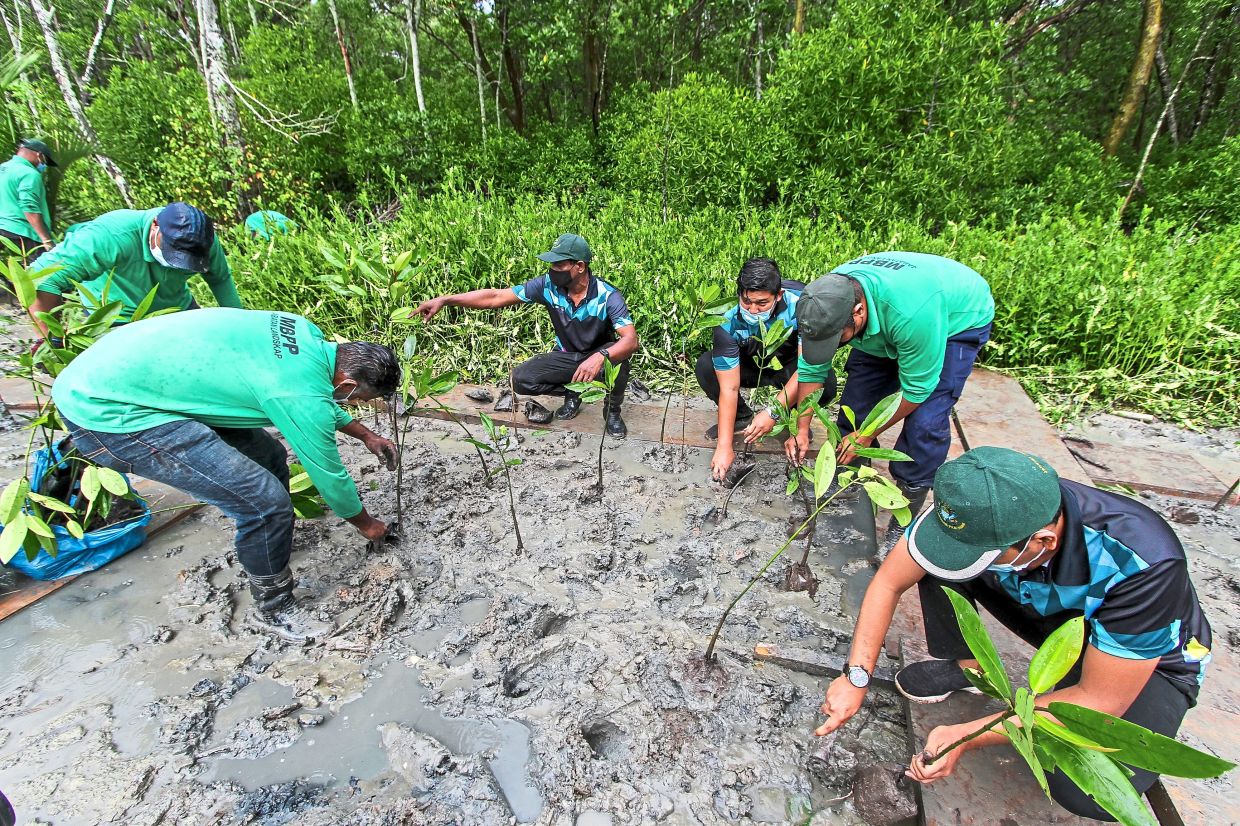
Image credit: Coral Reef Foundation
Mangrove seeds can start growing before they leave the tree!
Some mangrove species germinate their seeds while they are still attached to the parent tree. These young plants, called propagules, eventually drop into the water and can float away with the tides until they find a suitable place to take root.
Get involved
Efforts to reverse the decline of mangroves include reforestation projects, improved management practices, legal protections, and the involvement of local communities in conservation efforts.
FAQ
What are mangroves and where do they grow?
Mangroves are salt-tolerant trees and shrubs that grow along tropical and subtropical coastlines, particularly in sheltered intertidal areas, estuaries and lagoons. They thrive in salty, waterlogged soils where most other trees would struggle to survive..
What animals live in mangrove forests?
Mangrove forests provide food, shelter and nursery grounds for a wide range of wildlife, including juvenile fish, crabs, shrimp, molluscs, birds and reptiles. Many marine species depend on these habitats during early stages of their lives before moving into open water or nearby coral reefs.
Why are mangroves important for coral reefs?
Mangroves help trap sediments and excess nutrients from coastal runoff, reducing the amount that can reach nearby coral reefs. They also provide connected habitats that support marine species throughout different stages of their life cycles.
How do mangroves help fight climate change?
Mangroves capture carbon dioxide through photosynthesis and store carbon in their trunks, roots and especially the underlying sediments. This stored carbon, known as blue carbon, can remain locked away for long periods when forests and their soils remain undisturbed.
What are the biggest threats to mangrove forests?
Mangroves are threatened by coastal development, aquaculture, agricultural expansion, pollution, overharvesting and climate change. Protecting existing forests and restoring degraded areas are both essential to preserving these valuable ecosystems.
ENJOYED THIS?