
Image credit: Nationaal Archief on Wikimedia Commons (copyright author unknown)
That much for the short history of whaling... Whaling, outlawed since 1986 when the IWC adopted a moratorium on commercial whaling, still clings on by the skin of its teeth and has not been completely abandoned despite the ban. What is the motivation behind it—and is it really necessary to keep it alive? Let’s dive in.
Early whaling: survival and trade
The first recorded instances of whaling date back to at least 3000 BC. Coastal communities in Japan, Norway, and Arctic regions hunted small whales using simple tools such as harpoons and boats. Whales provided essential resources, including meat for food, bones for tools and construction, and blubber for oil used in lamps and heating. Over time, whaling became a profitable trade, expanding beyond local subsistence hunting.
The Rise of Commercial Whaling
By the 16th century, European nations such as Spain, the Netherlands, and England began large-scale whaling operations. The Basques were among the first to develop sophisticated whaling techniques, targeting species like the North Atlantic right whale.
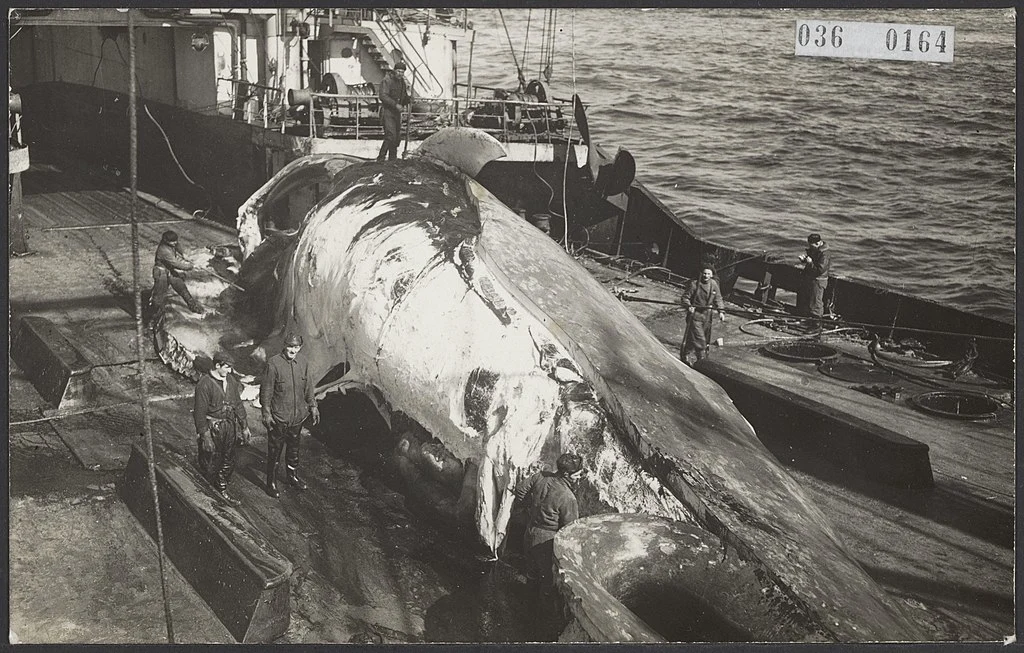
Image credit: Unknown, Nationaal Archief
Industrial whaling and the decline of whale populations
The late 19th and early 20th centuries saw the introduction of steam-powered ships and explosive harpoons, drastically increasing hunting efficiency. This period brought a devastating decline in whale populations, with thousands of whales slaughtered annually.A major base for the UK whaling industry during the early 20th century was South Georgia Island, located near Antarctica. The island housed processing stations where thousands of whales were brought for oil extraction and other products.
The UK was not the only nation to upscale whaling to large-scale industrial hunts. Other nations such as Norway, the US, and Japan followed the same model, adapting to the increasing demand for whale products. Large motherships were introduced to process whales at sea, increasing the industry’s efficiency even further. All together, the results were devastating.
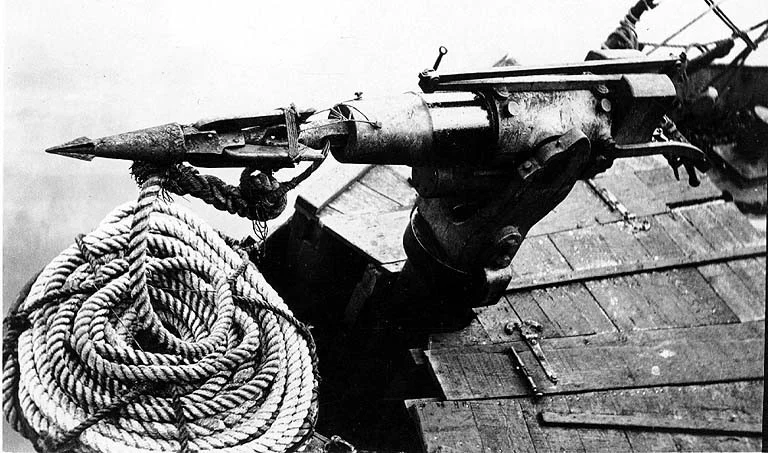
Harpoon mounted on a whalng boat, Alaska 1915. Image credit: John Nathan Cobb
Conservation efforts and modern whaling
With the implementation of the 1986 whaling ban, many whale species began to recover. Their comeback stands as a powerful example of a successful conservation story. However, some nations continue to hunt whales under specific exemptions:
Moreover, modern threats like industrial krill fishing in Antarctic waters now endanger the whales’ food source. Many species — including whales and penguins — depend on krill, and depleting this resource could trigger a collapse of Antarctica’s fragile ecosystem.
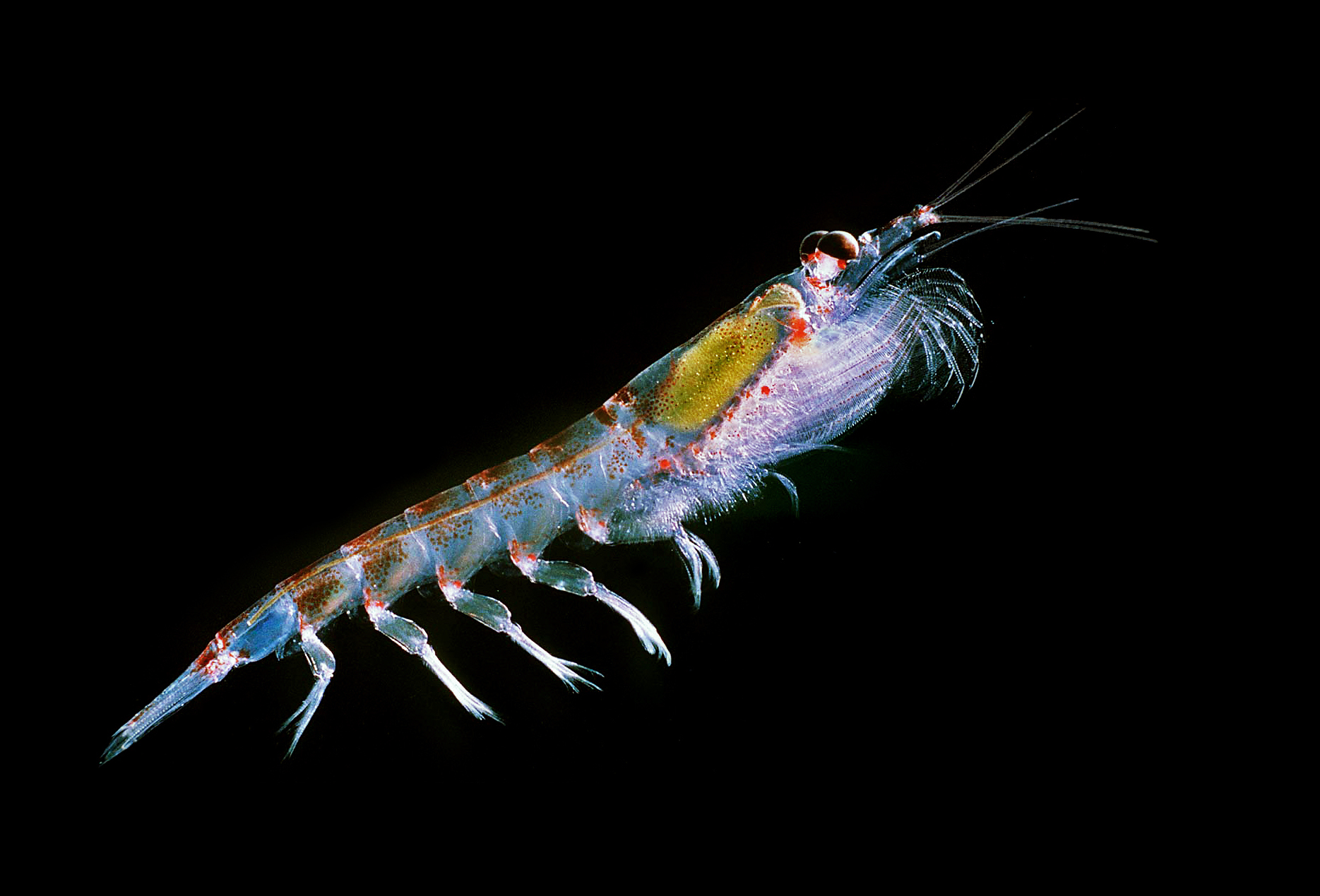
Antarctic krill (Euphausia superba) by Uwe Kils -Wikimedia Commons
Looking back — and ahead
In the past, whale hunting was about providing vital resources such as food, bones, and oil. Today, none of the whale hunting nations suffer from food shortages—let alone depend on whale products. A 21st-century society can fully function without whaling, rendering this cruel practice obsolete.Hardly anyone believes that over 1,000 whales need to be killed annually for “scientific” purposes.
In reality, much of the whale meat ends up in pet food, as consumer demand continues to decline—even in countries that still practice whaling despite the international ban.When we assess the risk/benefit ratio of ending whaling once and for all, the answer is clear.
Whales are more valuable alive—not just commercially, through tourism—but ecologically. Their role in maintaining the health of our oceans is irreplaceable. These highly intelligent and social creatures contribute to ecosystem stability in ways we are only beginning to understand.
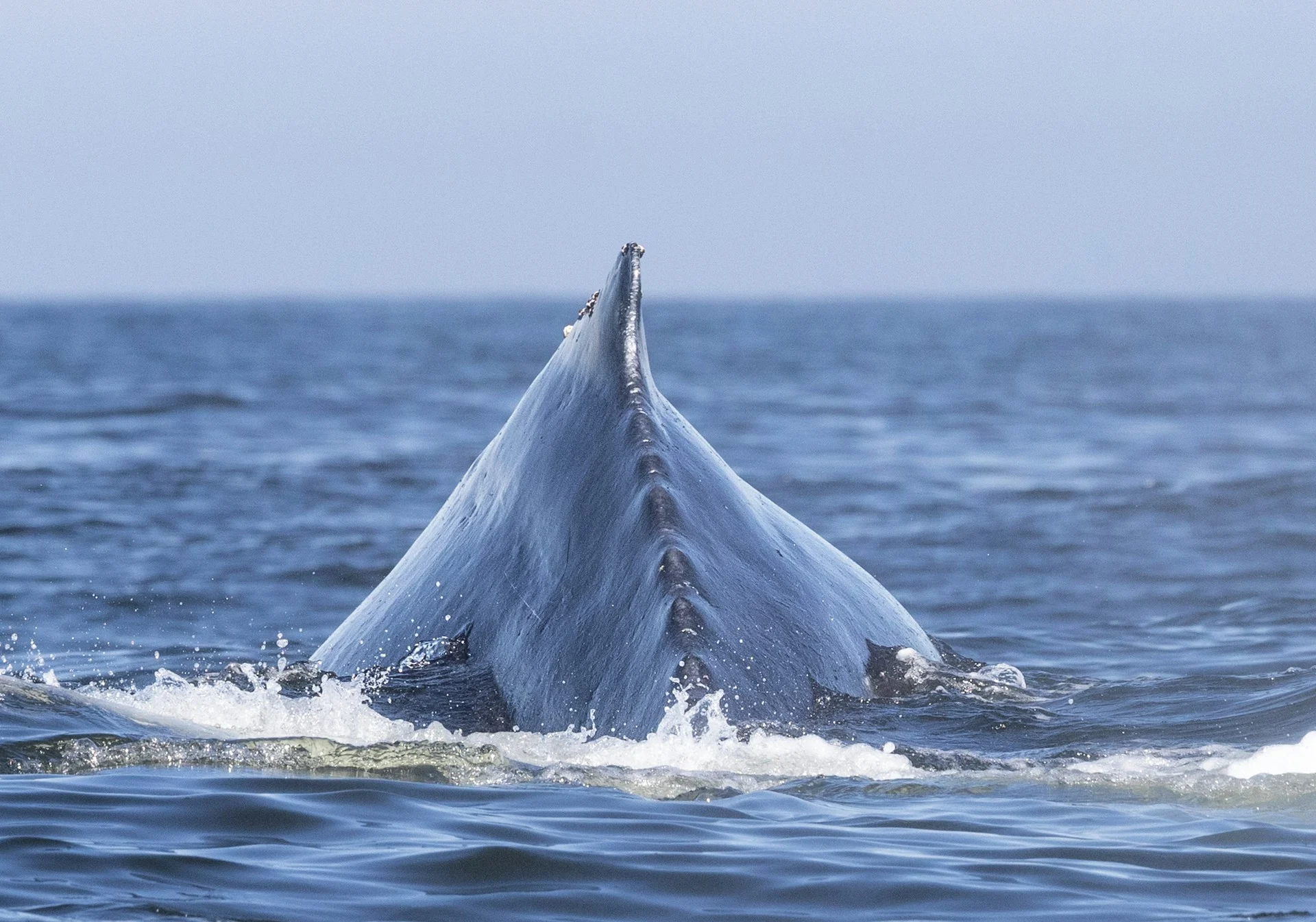
Image credit: Zac Bowling on Unsplash
Taking the final step
Whales have been hunted for thousands of years—initially for survival, later for profit. While commercial whale hunting has largely been banned, a few nations persist. Conservation efforts have proven that whale populations can recover if given time.Let’s make it easier for whales. Let’s eliminate all the remaining factors that hinder their recovery.
THE WAY TO GO
Whales belong to the ocean, and they are our crucial allies in these challenging times—and those to come.
What are keystone species?
Ever heard the term “keystone species”? People say these animals are essential for the ecosystems they live in, but what exactly does that mean? And why are they so important? Let’s explore the fascinating truth about the animals that help keep nature’s balance.
Explore keystone speciesFAQ
When did commercial whaling become illegal?
The International Whaling Commission agreed to a moratorium on commercial whaling in 1982, which took effect from the 1985/1986 whaling season. It remains in place, although some countries continue commercial whaling under objections, reservations, or outside the IWC framework.
Why were whales hunted so extensively in the past?
Whales were hunted for products such as meat, blubber, oil, and baleen, which was used in items such as corsets and other everyday goods. Industrial technologies later made hunting much more efficient, causing severe declines in many whale populations.
Which countries still hunt whales commercially?
Japan, Norway, and Iceland have continued commercial whaling in recent years, although their legal positions differ. Some Indigenous communities also hunt whales for subsistence and cultural reasons, which is a separate category from commercial whaling.
Have whale populations recovered since the whaling ban?
Some whale populations, including certain humpback and southern right whale populations, have recovered significantly since commercial whaling restrictions were introduced. Recovery is uneven, however, and some populations remain critically depleted or face other threats.
Why is whaling still a concern if commercial whaling is banned?
The moratorium does not stop all whaling, and some countries continue to hunt whales under different legal arrangements. Whales also face other human-caused threats, including entanglement in fishing gear, ship strikes, underwater noise, and changes to their food supply.
Support whale conservation projects
Ocean Alliance
Ocean Alliance aims to protect whales and their ocean environment through research, scientific collaboration, education, and the arts.
Dive In
Sea Shepherd
Sea Shepherd fights to defend, conserve and protect the ocean. We use direct action to defend marine wildlife and protect their habitat in the world's oceans.
Dive In
WDC
We work globally through campaigns, lobbying, advising governments, conservation projects, field research, rescue, education and much more.
Dive In