Nautilus LifeLine Marine Rescue GPS
Table of Contents
Quick Verdict
The Nautilus LifeLine is not designed to impress—it’s designed to be noticed. By broadcasting your position directly to nearby vessels without subscriptions or complex setup, it offers a simple, reliable safety layer when surface signaling alone may not be enough.
The Reality Check
Most dives go exactly as planned.
And then there are the dives where the plan quietly stops applying.
Currents change. Pickups drift. Distances stretch. At the surface, even a calm sea can feel very large, very quickly. In those moments, visibility matters more than optimism. The Nautilus LifeLine exists for that gap—when you need nearby boats to see you, not eventually, but now.
What Nautilus LifeLine Actually Does
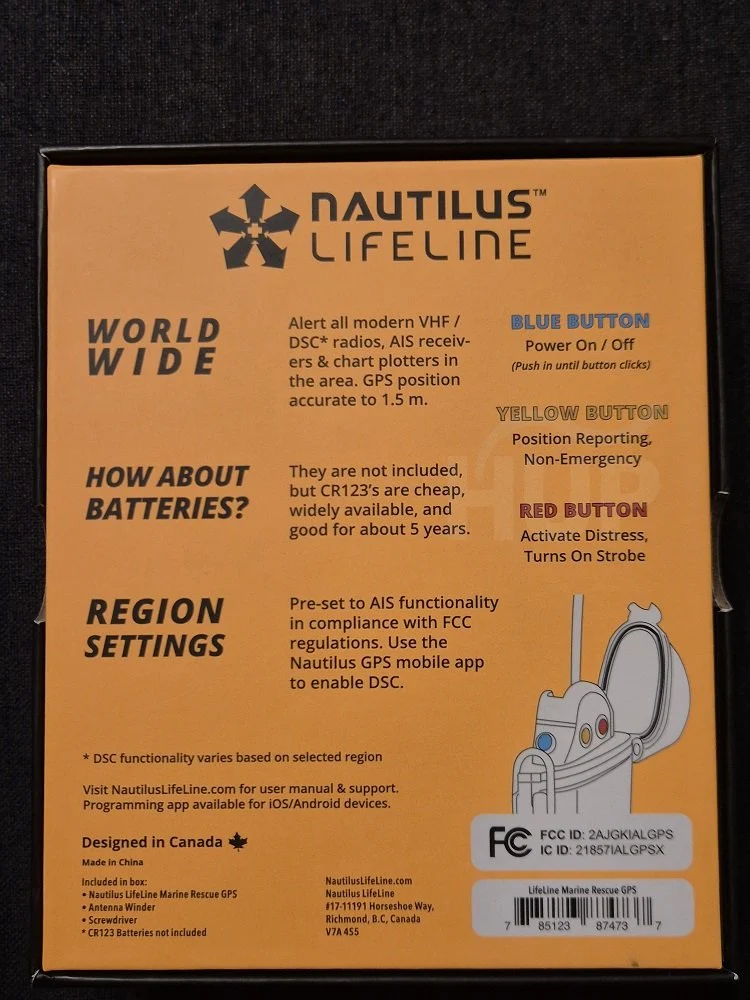
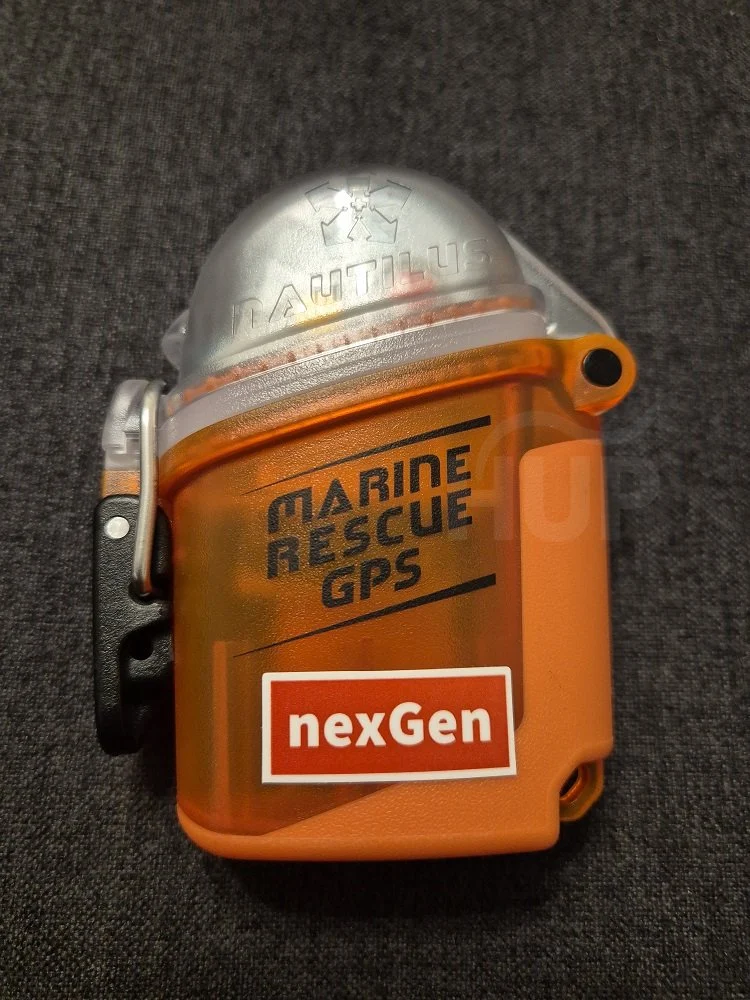
The Nautilus LifeLine is a radio-based emergency GPS locator. When activated, it transmits your GPS position together with a Man Overboard distress message over VHF radio frequencies.
Any nearby vessel equipped with:
-
AIS (Automatic Identification System)
AIS is an automatic tracking system used in maritime transport to identify and locate vessels through digital data exchange with nearby ships, coastal stations, and satellites. -
DSC-capable VHF radios (Digital Selective Calling)
DSC VHF radios allow automated digital distress alerts using Channel 70, transmitting precise GPS position data even if the user cannot speak.
will automatically receive the distress alert and see your exact location displayed on their navigation system.
This is direct, local communication—no satellite networks, no mobile coverage, and no external services involved.
Where Nautilus LifeLine Earns Its Place
Nautilus starts to make sense when dives stop being predictable.
It is particularly relevant for:
-
Drift dives
-
Boat-based diving
-
Liveaboard operations
-
Areas with variable or strong currents
-
Situations where SMB visibility alone may be insufficient
It doesn’t replace surface signaling—it reinforces it.
Materials, Build & Survivability
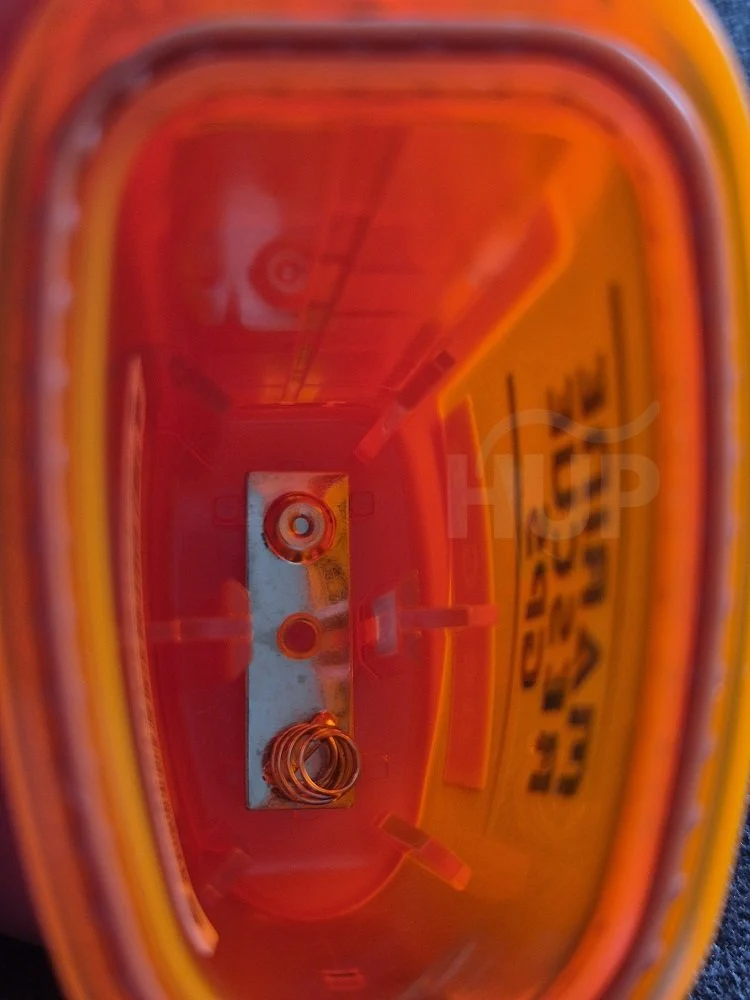
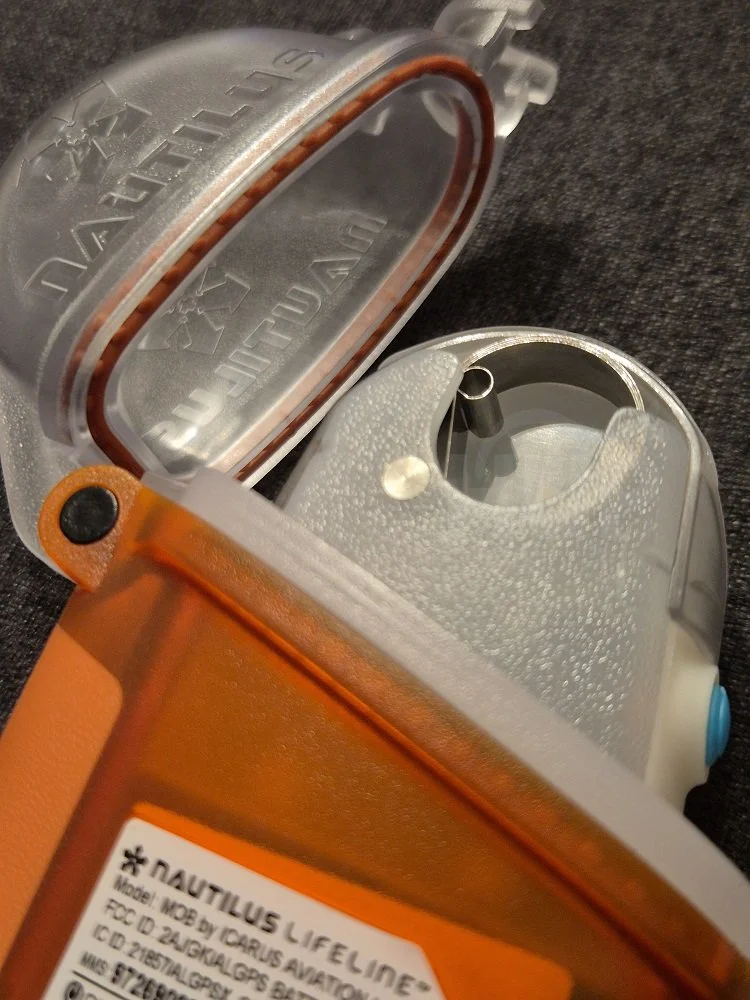
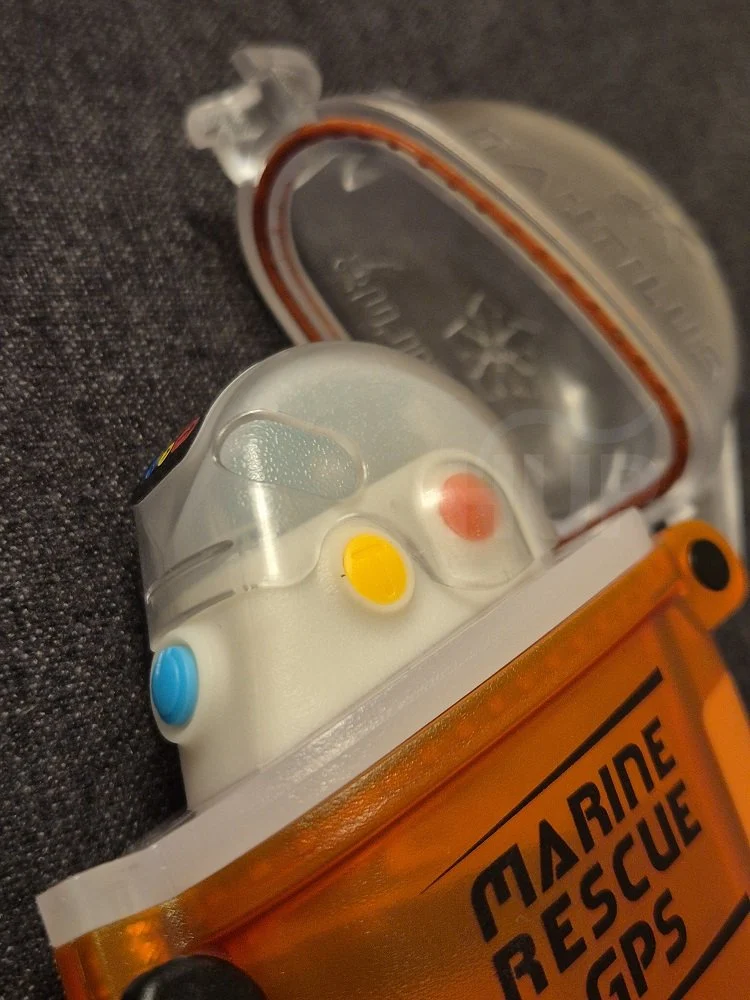
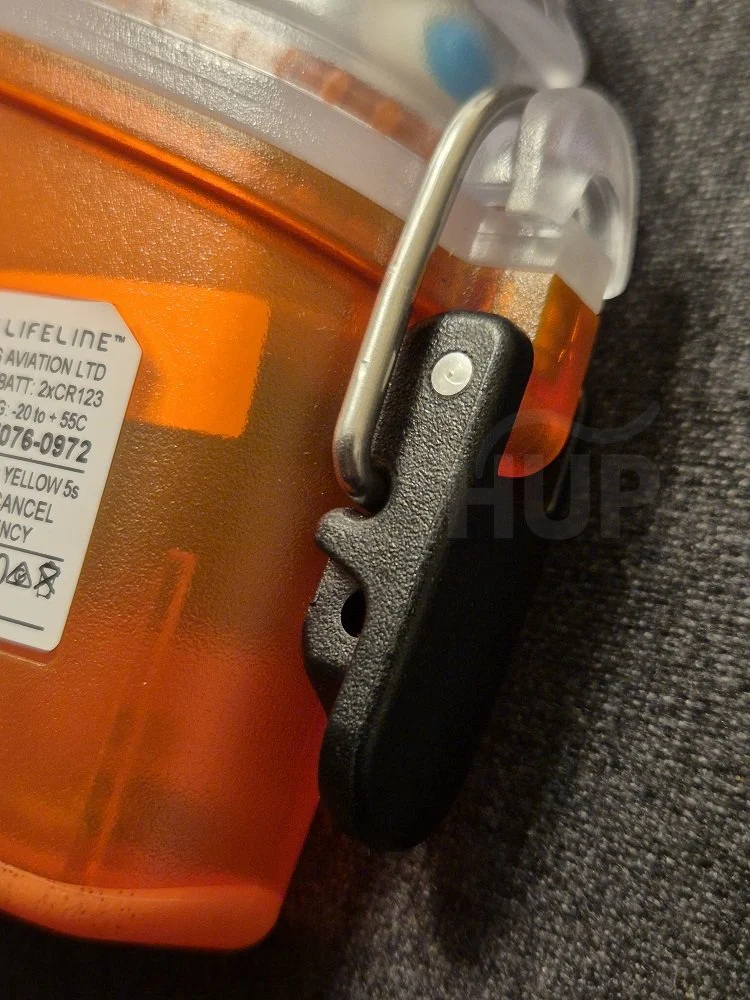
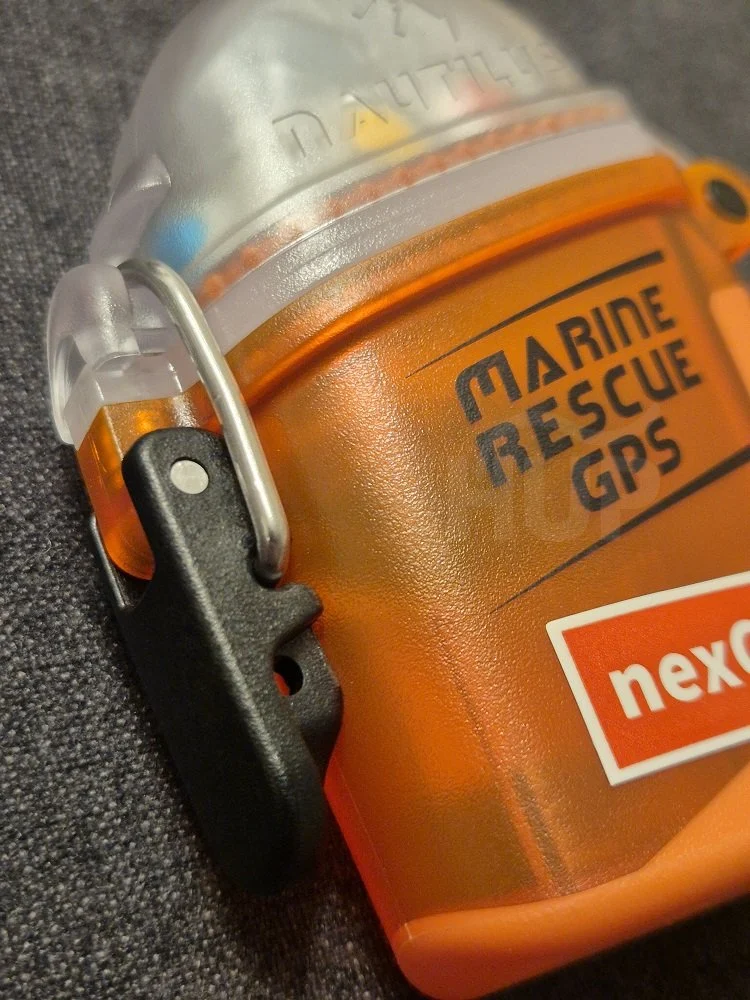
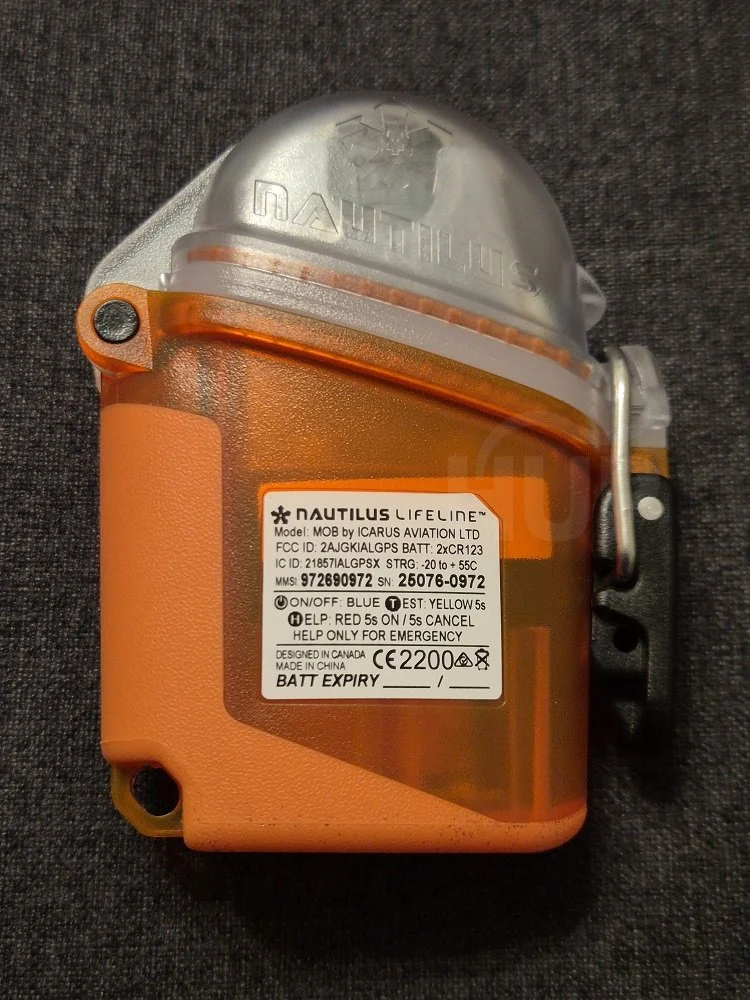
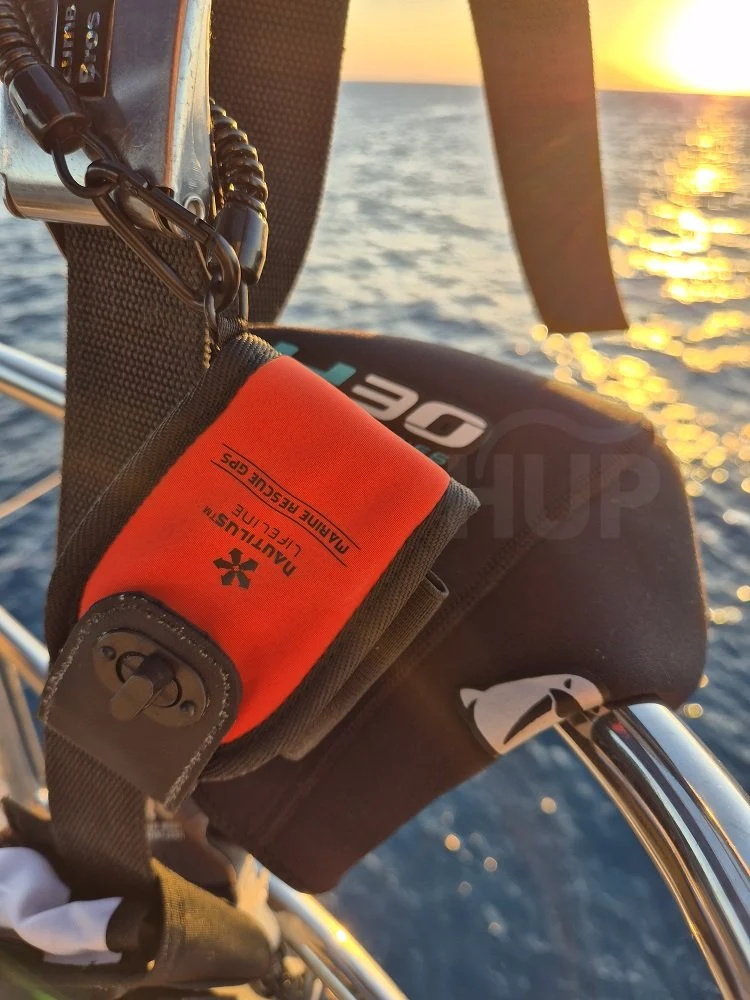
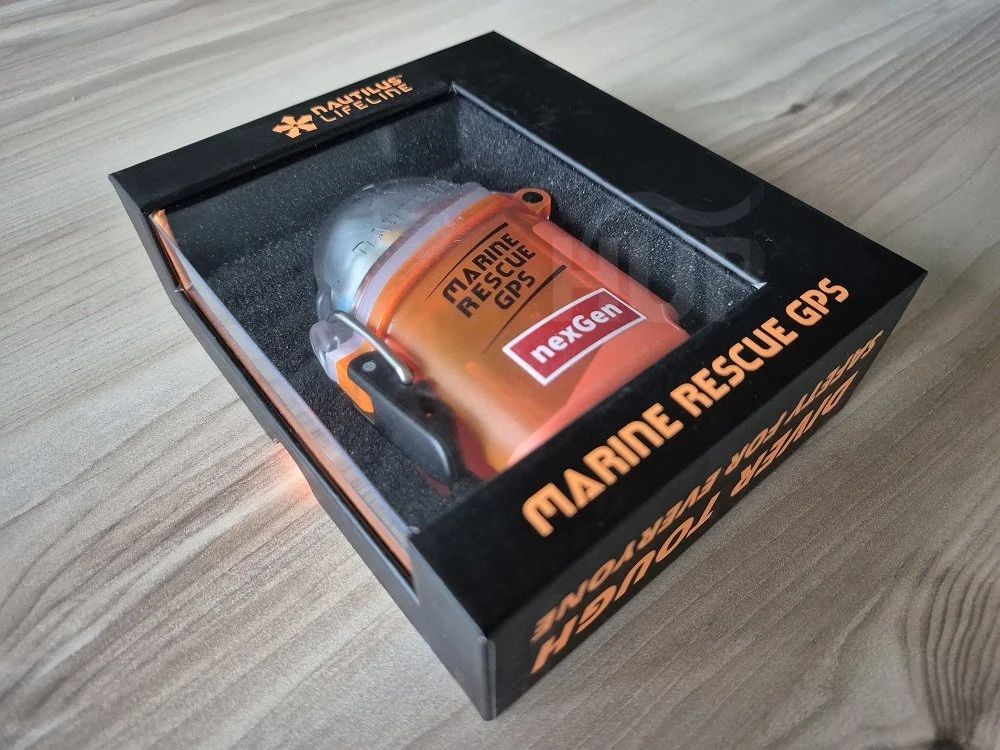
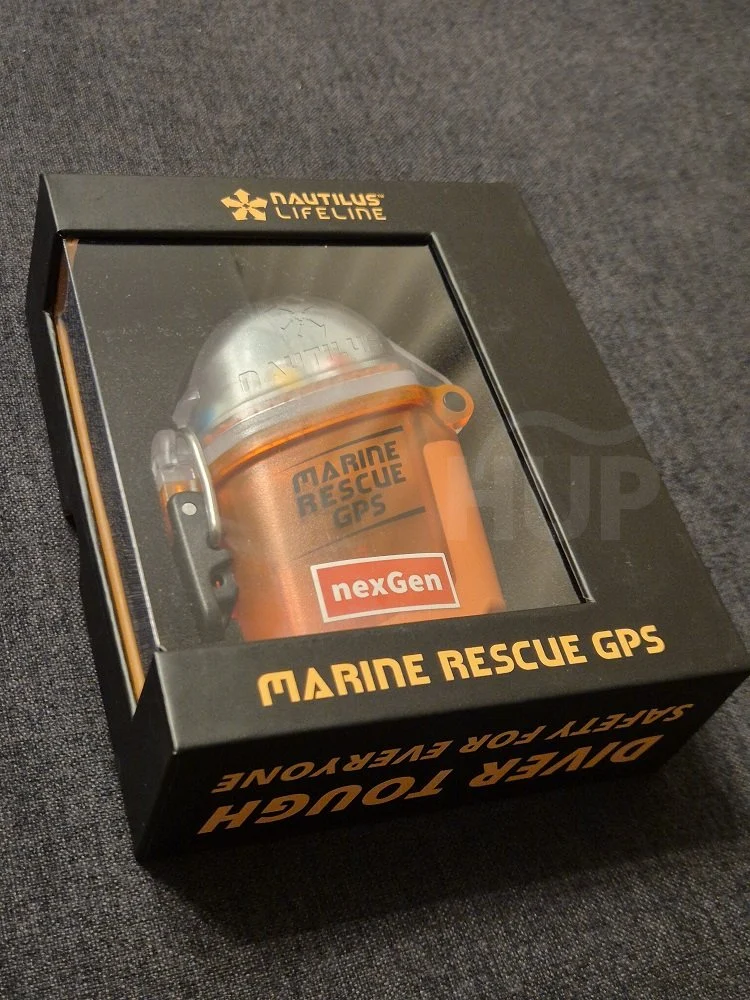
The Nautilus LifeLine is housed in a robust marine-grade plastic casing designed for long-term saltwater exposure. It is fully waterproof and dive-rated to 130 meters, eliminating the need for any additional housing.
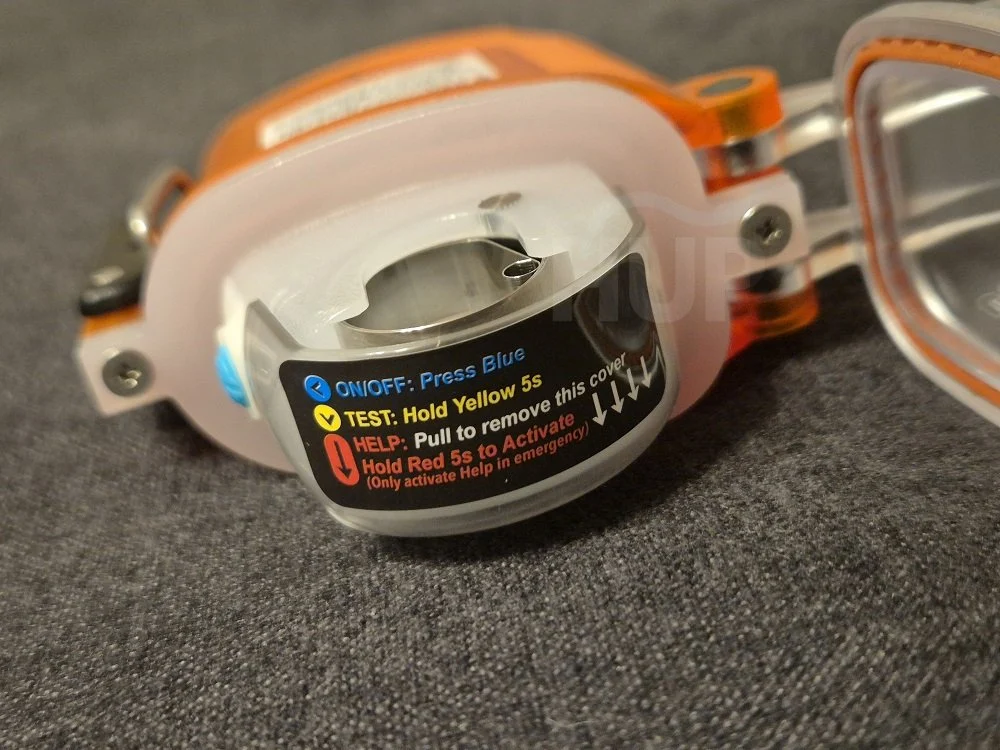
Buttons are solid and clearly defined, the antenna is securely stored, and the overall construction feels purpose-built rather than consumer-electronic fragile. This is equipment meant to be carried, clipped, and relied on—not handled delicately.
Ergonomics and Use
Operation is intentionally straightforward.
There are no menus, screens, or pairing procedures (except the app). The device can be activated one-handed, is usable with gloves, and provides clear tactile feedback—important details when fine motor skills are reduced by cold, stress, or fatigue.
Simplicity here is not a limitation; it’s a design choice.
What’s in the Box (and What’s Not)
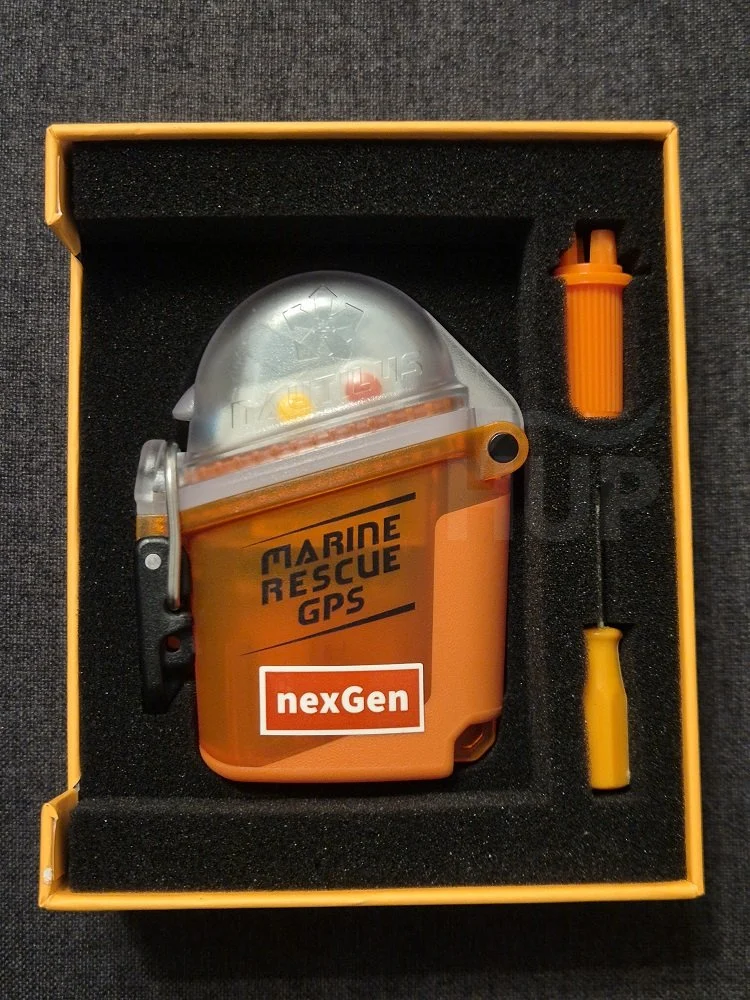
Included:
-
Nautilus LifeLine Marine Rescue GPS
-
Antenna winder
-
Screwdriver
Not included:
-
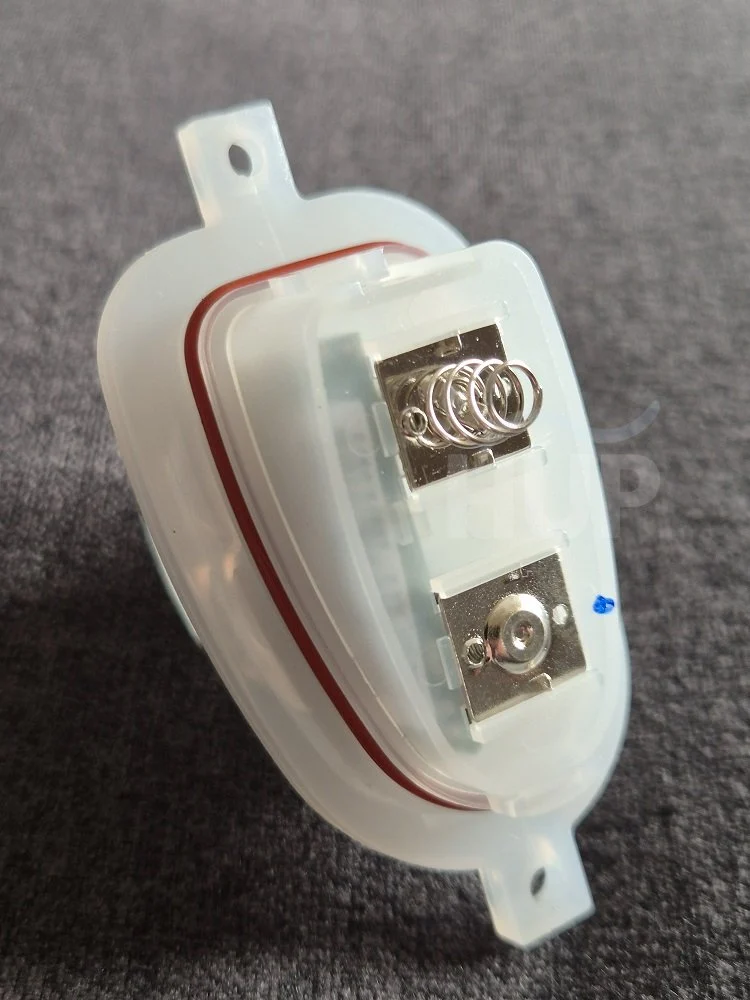
Batteries
There are no subscriptions, activation fees, or ongoing service costs.
Personal Experience
Who This Is For / Who Should Skip It
Who This Is For
-
Divers regularly diving from boats
-
Liveaboard divers – If you’re planning a liveaboard diving holiday this type of GPS rescue device adds a reassuring safety backup when diving in currents or offshore conditions.
-
Divers operating in current-prone areas
-
Those wanting a no-subscription safety solution
Who Should Skip It
-
Shore-only divers in calm, enclosed sites
-
Divers needing global, long-range satellite coverage
-
Those requiring two-way communication with rescuers
Price and Value
At approximately 250 €, the Nautilus LifeLine is priced fairly.
It is a one-time purchase with no ongoing costs, offering a focused solution to a specific problem: being located quickly by nearby vessels. It does not try to replace satellite beacons or communication devices—it complements them. Its value lies in clarity, immediacy, and simplicity.
Pros & Cons
Pros
-
Easy and intuitive operation
-
No subscriptions or recurring costs
-
Long battery life
-
Fully dive-rated—no extra housing required
-
Floats, aiding surface recovery
Cons
-
Limited range compared to satellite-based devices
-
One-way communication only
Alternatives
If the Nautilus LifeLine doesn’t match your needs, consider:
Satellite PLBs
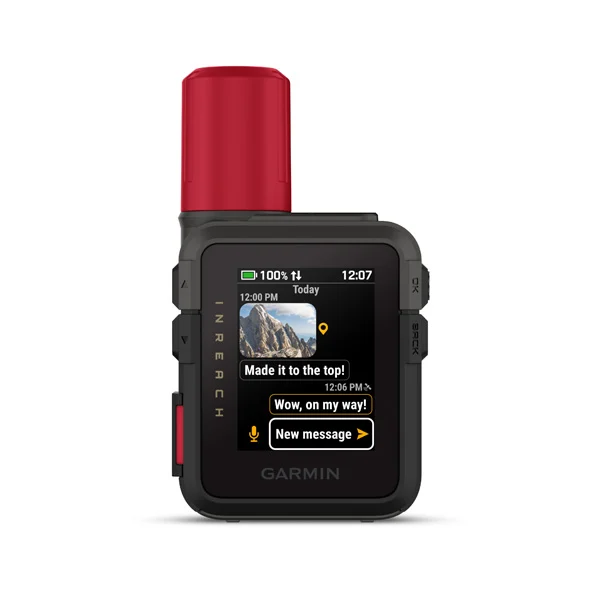
Better for remote or offshore expeditions, but usually subscription-based. For Example Garmin InReach.
Two-way satellite communicators
Offer messaging and global coverage, but are not dive-rated and rely on external networks.
Each option addresses a different risk profile.
Technical Data
- AIS Transmit Power: 1 W
- AIS Frequencies: 161.975 & 162.025 MHz
- DSC Transmit Power: 0.5 W
- DSC Frequency: 156.525 MHz
- Messages: Individual Distress Relay, Distress Alert
- Operating Temperature: −25 °C to +55 °C
- Waterproof Rating: 130 m / 425 ft (seawater)
- Dimensions: 75 × 97 × 39 mm
- Weight: 131 g (including batteries)
HUP Verdict
The Nautilus LifeLine Marine Rescue GPS is not about features—it’s about outcomes.
It won’t replace good dive planning, situational awareness, or proper surface signaling. But when distance increases and visibility drops, it provides something essential: being seen.
If you dive in environments where separation from the boat is more than a theoretical risk, this is a piece of gear that earns its place. Calm decisions start long before the dive—and this one makes sense.
Links
Visit official Nautilus Lifeline website