
Image credit: Photo by Niklas Hamann on Unsplash
When we call something a “key,” we usually mean it’s important in some way. A key opens or locks a door. Key decisions shape our future. In nature, we have species so vital that we call them keystone species.
Balance is the key
Nature works on a principle of balance. This equilibrium is so important that when it’s disrupted, natural mechanisms kick in to restore it — sometimes in dramatic ways. Volcanoes erupt, tectonic plates shift, storms form, hurricanes rage. These forces act to bring the system back into balance.In the living world, there’s also a balance — maintained through something called the food web.
This is an interconnected network of all species in an ecosystem, each depending on others for survival, much like the internet connects people and information. If all the connections work, the system thrives. But if one key connection is lost — for example, if a species disappears — the whole network can start to unravel.
With keystone species, their removal can cause the collapse of the entire system. Think of a spider web: keystone species are the strong threads that anchor it. Remove them, and the web falls apart. Or imagine a bridge: remove the main pillars, and the structure comes crashing down.
The Importance of Keystone Species
Keystone species are the guardians of ecosystem balance. Often, they’re predators near or at the top of the food chain, keeping other species’ numbers in check. This ensures that no one species overpopulates and disrupts the system. Examples include sharks, wolves, and sea otters.But not all keystone species are predators. Some, like beavers, shape their environment in ways that benefit countless other species. These “ecosystem engineers” create opportunities for life to flourish. Let’s break this down with a few examples.
Real world examples
Sharks of the Reef
Sharks often get a bad reputation, but in reality, they are essential to the health of coral reefs. As apex predators, they prey on mid-level fish, which in turn feed on smaller fish that graze on algae growing on coral.If sharks disappear, the mid-level predators multiply unchecked. They eat more of the grazing fish, leaving algae to grow out of control. The algae smother corals, turning vibrant reefs into lifeless wastelands. Without sharks, the delicate balance of the reef collapses — and the loss ripples through the entire ecosystem.
Wolves and Beavers of Yellowstone
The story of Yellowstone National Park is a powerful real-life example of how keystone species shape entire landscapes.In the early 20th century, wolves were hunted and eradicated from Yellowstone.
Without them, elk populations exploded. With no natural predator to keep them in check, elk overgrazed riverbanks and valleys, stripping young trees like willow and aspen before they could mature. This led to soil erosion, loss of plant diversity, and fewer habitats for birds and beavers.Beavers, in particular, struggled. Without enough trees to build dams, they abandoned many areas. Their dams had once created wetlands that supported fish, amphibians, and countless other species — so when the beavers disappeared, those habitats vanished too.
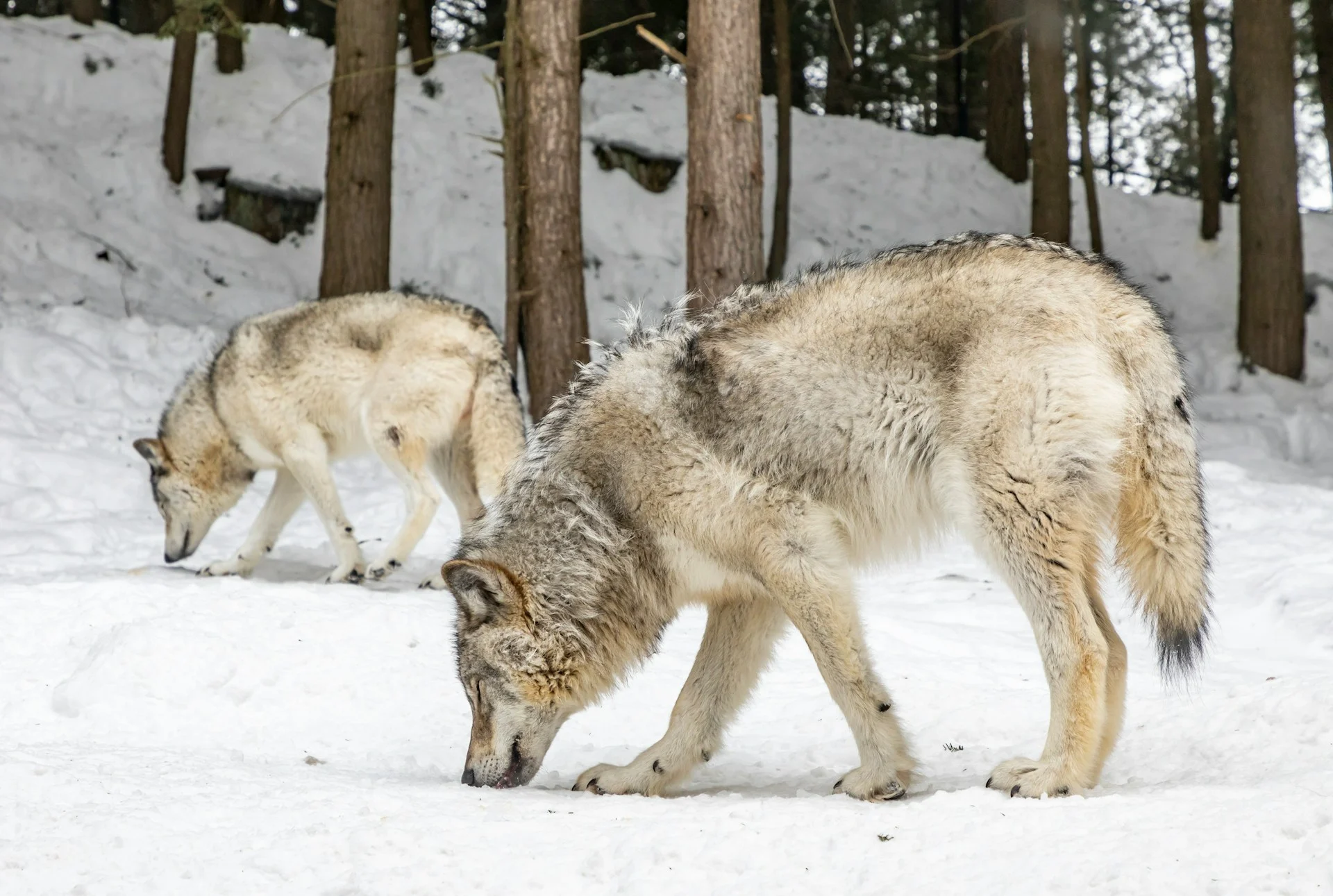
Image credit: Photo by Eva Blue on Unsplash
Then, in 1995, wolves were reintroduced. Almost immediately, the ecosystem began to heal. With elk numbers reduced — and their grazing patterns changed by the presence of wolves — vegetation started to recover.
Willows and aspens grew back along riverbanks, stabilizing the soil and reducing erosion.Beavers returned, building dams that created ponds and wetlands. These new habitats brought back fish, waterfowl, and amphibians. Even the rivers changed course in some areas, flowing more smoothly thanks to the restored vegetation and beaver activity.This remarkable transformation is known as a trophic cascade — when changes at the top of the food chain trickle down to every level of the ecosystem, restoring its natural balance.
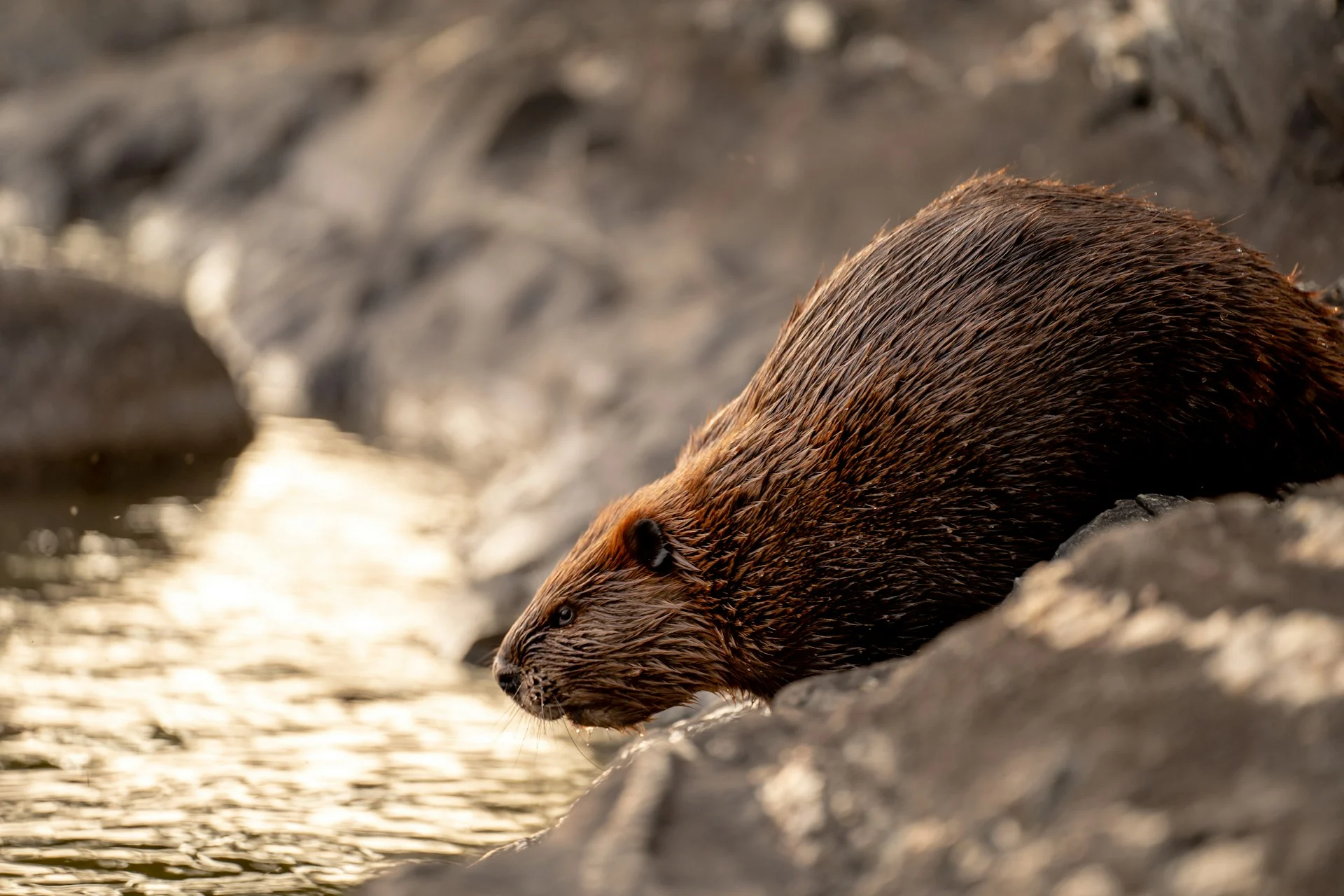
Image credit: Photo by Tim Umphreys on Unsplash
The story of Yellowstone National Park is a powerful real-life example of how keystone species shape entire landscapes.In the early 20th century, wolves were hunted and eradicated from Yellowstone.
Without them, elk populations exploded. With no natural predator to keep them in check, elk overgrazed riverbanks and valleys, stripping young trees like willow and aspen before they could mature. This led to soil erosion, loss of plant diversity, and fewer habitats for birds and beavers.Beavers, in particular, struggled. Without enough trees to build dams, they abandoned many areas. Their dams had once created wetlands that supported fish, amphibians, and countless other species — so when the beavers disappeared, those habitats vanished too.
Spirits of the Forrest
Another story of how keystone species played a fundamental role in maintaining the delicate balance of nature—and how that balance was lost along the Californian coast in the early 20th century.
Read sea otters storyImage credit: Photo by mana5280 on Unsplash
The takeaway
Keystone species aren’t just important — they are irreplaceable. Protecting them means protecting the entire web of life they support. When they thrive, so does everything around them.
FAQ
What is a keystone species?
A keystone species is an animal or other organism that has a big impact on the environment it lives in. Even if there aren't many of them, other species may depend on their presence to keep the ecosystem healthy and balanced.
Why are keystone species so important?
Nature is full of connections. Some animals keep other populations under control, while others create habitats or provide food for different species. Keystone species play a particularly important role in these connections, and losing them can affect an entire ecosystem.
What happens when a keystone species disappears??
When a keystone species disappears, the effects can spread far beyond that one species. For example, without enough sea otters, sea urchin populations can grow and eat away large areas of kelp forests. Animals that depend on these underwater forests for food and shelter may then lose their homes, too.
How can we help protect keystone species?
Protecting keystone species also means protecting the places they call home. Supporting marine protected areas, reducing pollution, choosing responsibly caught seafood, and respecting wildlife can all make a difference. Every species has a role to play, and protecting the connections between them helps keep our oceans and other ecosystems thriving.