Start Scuba Diving: A Beginner’s Complete Guide
Image credit: Photo by Jesse van Vliet on Unsplash
Scuba diving is one of the most exciting ways to explore the underwater world. If you’re wondering how to start scuba diving, what certification you need, or whether it’s safe, this guide walks you through everything step by step.
Whether you’re completely new or just curious about learning to dive, this beginner guide will help you understand what to expect and how to get started.
Table of Contents
What Is Scuba Diving?
Scuba diving is an underwater activity that allows you to breathe using a self-contained breathing apparatus (SCUBA). Unlike snorkeling, scuba diving lets you stay underwater longer and explore deeper environments like coral reefs, wrecks, and marine ecosystems.
Want to see where diving can take you? Explore our Dive Sites
Is Scuba Diving Safe?
Fear Factor
Many people are afraid of being underwater. I’ve often heard things like, “I would never dive — it’s dangerous,” or “There are sharks.”
Most of this fear comes from the unknown and how we’re influenced by the media, society, or others. Once people understand what scuba diving is really about, many of them end up loving it.
Diving Safely
Recreational scuba diving is generally considered a safe activity. Like any sport, it comes with rules that must be followed. Risks do exist, but they can be minimized through proper training, awareness, and practice.
In simple terms: Think, use your training and stay calm.
Important Reality
One thing to keep in mind is that diving often takes place in remote locations. In case of an emergency, medical help may not always be immediately available.
For peace of mind, make sure your diving activities are properly covered by solid dive insurance policy from reliable insurance providers such as DAN or other.
Don’t try to be a hero — dive within your limits and stay safe.
Your Health Matters
Some medical conditions or medications can affect your ability to dive. This doesn’t automatically exclude you, but if you’re unsure, consult a doctor before diving.
Your Scuba Diving Path
Scuba diving follows a clear learning path. Here’s how your journey typically evolves.
Start Scuba Diving
Begin your underwater journey
Advance Your Diving
Build confidence and skills
Diving Specialties
Expand your abilities
Become a Dive Pro
Turn passion into career
How to Start Scuba Diving (Step-by-Step)
Step 1: Try a Discover Dive
If you’ve never dived before, it’s a great idea to try it first. Most dive centers offer a “Discover Scuba Diving” program designed to give you a taste of diving with minimal commitment.
This is not a full course. It usually includes:
- Basic theory
- Few practice skills
- Shallow dive
The goal is simple: Experience breathing underwater and see if diving is for you.
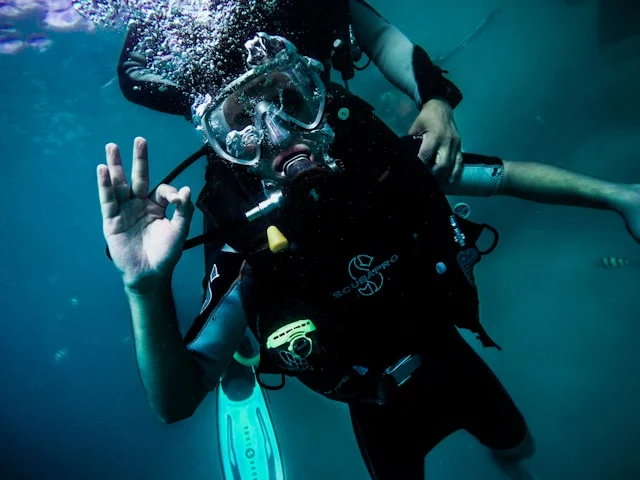
Image credit: Photo by Anurag Harishchandrakar on Unsplash
Step 2: Get Certified
Once you decide to continue, you’ll complete a scuba diving certification course. Most divers start with the Open Water course, which you can complete in just a few days.
This includes:
- Theory (learning the basics)
- Pool training (practice skills)
- Open water dives (real diving experience)

Start at Home, Finish on Holiday
You don’t have to complete your entire Open Water course in one place. Many divers choose to do their theory and pool training at home, then finish their open water dives on holiday—I did mine in the UK and completed the dives in Turkey.
A good instructor will guide you through everything — don’t hesitate to ask questions.
Step 3: Pass Your Final Assessment
At the end of the course, you’ll complete:
- Theory test
- Practical skills assessment
Once you pass both, you’ll receive your scuba diving certification. Most certifications are now digital, but physical cards are sometimes still available.
Step 4: Start Diving
After certification, you can dive without an instructor—but always with a buddy. If you don’t have one, dive centers can pair you with another diver or assign a guide or instructor. For added peace of mind, it’s strongly recommended to have diving insurance from a reliable provider such as DAN, as most standard travel insurance policies do not cover scuba diving activities.
Step 5: Improve Through Experience
Your first course gives you the basics—but becoming a confident diver takes practice. The more you dive, the more comfortable you become and the stronger your skills get.
As you gain experience, you might want to take the next step and advance your diving—building confidence, learning new skills, and exploring deeper or more challenging dive sites.
You can continue your journey with advanced diving courses.
Your First Dive After Certification
It’s normal to feel excited during your first dives. The ocean can be overwhelming at first, so focus on:
- Staying calm
- Using your training
- Observing your surroundings
But most importantly — enjoy it.
Choosing the right dive site makes a big difference—calm conditions, good visibility, and manageable depth will help you stay relaxed and build confidence.
Start with beginner-friendly locations, and as your comfort grows, you can gradually explore more challenging sites.
Beginner Friendly Dive Sites
What Gear Do You Need?
For your course, you can rent all the necessary equipment. However, it’s worth investing in a few personal items early on. I suggest to start with:
- Mask and snorkel
- Fins (with or without boots)
- Boots (if required)
- Wetsuit (depending on where you plan to dive)
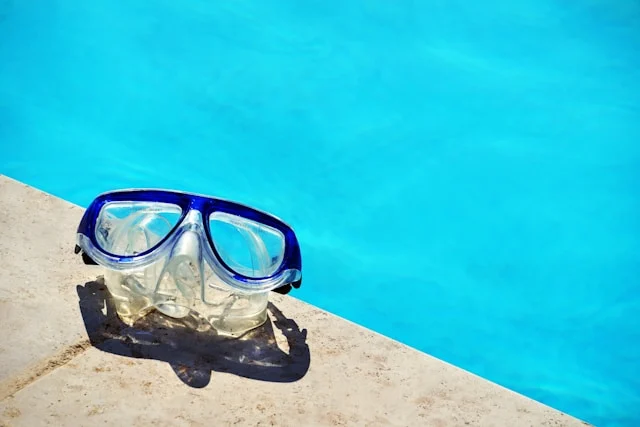
Photo by Maarten van den Heuvel on Unsplash
A Key Recommendation: Dive Computer
One exception is the dive computer — own your own.
Using your own computer allows you to learn its functions, understand alerts and limits which means you will dive more safely.
A Good Old Computer
My dive computer was the first major addition to my gear—and the most important one. I bought a Suunto D4 for a bit over £300, and nearly 20 years later, I’m still using it.
With minimal care, it has proven incredibly reliable. Even when I consider upgrading, I keep coming back to it—it just works.
Modern dive computers offer more features, color displays, and wireless integration. But at its core, it remains the same essential tool—your guardian angel on every dive.
If you’re unsure, rent gear first and see what works for you.
As you gain experience, you can gradually build your own setup based on your diving style and preferences.
What Does It Cost to Start Scuba Diving?
The cost of your first scuba diving certification typically ranges between €300 and €400, depending on location, dive center and training organization. Additional costs may include equipment rental and learning materials.
Always make sure you know what is included and what is not!
Where Should You Start Diving?
At the beginning, it’s best to choose easy dive locations with:
- Calm conditions
- Good visibility
- Minimal currents
Avoid starting with:
- Strong currents dives
- Deep or demanding dives
- Remote liveaboard trips
Best Approach
Start simple, build your confidence. Don not rush, progress gradually. Dive with people you trust, or join guided dives if you do not have a good diving buddy.
Scuba diving is more than just a sport — it’s a completely new way to experience the world. Take your time, learn step by step, and enjoy the process.
FAQ
Is scuba diving safe for beginners?
Yes, scuba diving is safe for beginners when done with proper training and a certified instructor. Entry-level courses are designed for people with no experience and focus on safety, control, and confidence in the water.
How long does it take to get scuba diving certified?
Most beginner certifications take between 3 to 4 days to complete. This includes theory, pool training, and open water dives, although some courses can be done at a slower pace.
Do I need to be a strong swimmer to scuba dive?
You don’t need to be a strong swimmer, but you should feel comfortable in the water. Basic swimming ability and the ability to float are usually required for certification.
What is the minimum age to start scuba diving?
The minimum age is usually 10 years old. Younger divers can earn junior certifications with certain limitations, while adults of all ages can start as long as they are in good health.
What happens if I panic underwater?
If you feel panic underwater, the most important thing is to stop and focus on slow breathing. Training prepares you for this, and you can always signal your buddy or instructor and safely end the dive.
Continue Your Diving Journey
Ready to take the next step? Explore how you can build confidence, expand your skills, and get more from every dive.